Five things a website design brief must answer
Who it is for, specifically. Not “businesses”: the actual person who lands on the page, what they were doing five minutes earlier, and what they are afraid of. Every layout decision downstream is answering that.
The one action. If the site works perfectly, what has the visitor done? Booked, enquired, bought, applied, subscribed. Sites that name one convert; sites that name four are a menu, and how many you genuinely have decides whether this is a page or a site.
What content exists today. Copy, photography, logo files, and who owns each. This is the single best predictor of whether a timeline holds, and the answer “we will write it” without a name attached means it does not exist.
What has to connect to something else. A CRM, a calendar, a payment provider, an inventory system. One integration is routine and three is a different project, but only if we know before quoting. If several of them do, you may be briefing an application rather than a site.
Who signs off. One name. If a second person can veto the design, they need to be in the room in week two, not shown it after it is built.
You do not need it finished
The most common reason people delay sending a brief is that it feels incomplete. It is supposed to be. A brief that answers everything perfectly usually means someone spent three weeks writing it instead of three days talking.
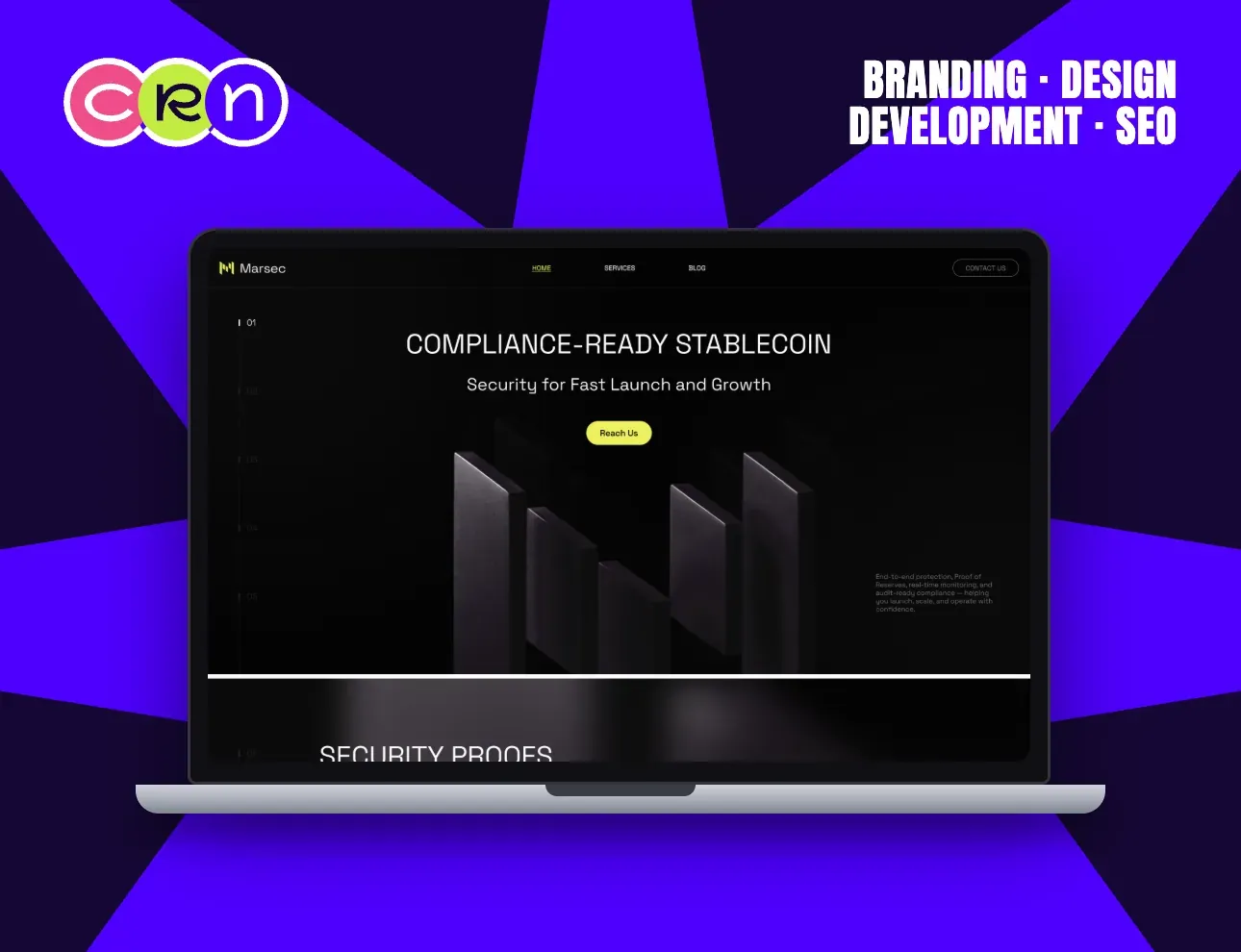
Marsec is a fair example of how this normally starts: a stablecoin infrastructure company that knew exactly what it needed the site to feel like (audited, precise, credible to a compliance buyer) and worked out the structure with us rather than arriving with it finished.
Half-formed is workable. Absent is not. Send the half.
A template you can copy
Who it is for. One paragraph, one person, what they are worried about.
The one action, and how you will know it happened.
Pages you think you need: a list, not a sitemap, and it is fine to be wrong.
Content status per item: exists, needs writing, needs photography, and who owns it.
Integrations, deadline and whose deadline it is, budget band, and the name that signs off.
Questions we get asked
What should a website design brief include?
Five things: who it is for as a specific person, the one action the site has to produce, what content exists today and who owns each piece, what has to connect to another system, and the single name that signs off. Page count and deadline are the two most common contents of a brief and neither changes a quote.
How long should a design brief be?
One page is plenty. A brief that answers everything perfectly usually means someone spent three weeks writing it instead of three days talking, and the version that arrives half-formed on day two is worth more than the finished one that arrives in month two.
Do I need a brief if I do not know what I want yet?
Yes, and it is exactly the case a brief is for. Write down who it is for and what you want them to do. Those two answers are enough for a first proposal to be about your business rather than about websites in general.